Fresh Gourmet Pizza: Toppings, Techniques & Recipe Ideas
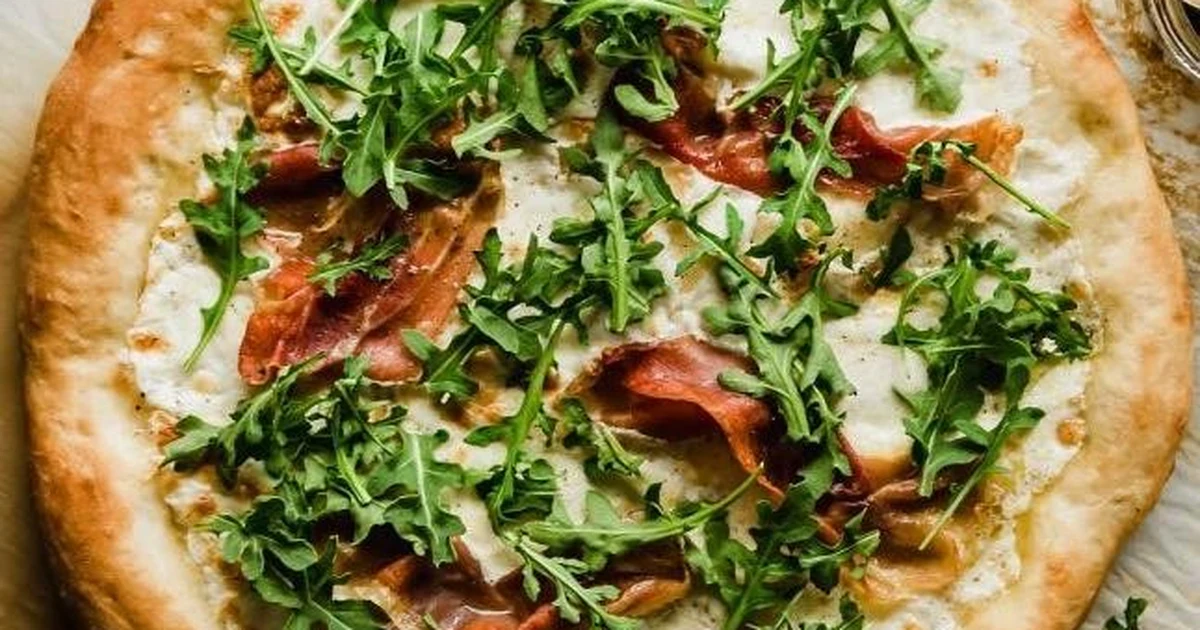
Homemade pizza can go one of two ways: a soggy, unevenly cooked disappointment, or something genuinely close to what you’d get from a good pizzeria. The difference usually isn’t the oven — it’s a handful of small choices around dough handling, topping balance, and using fresh gourmet ingredients instead of whatever’s been sitting in the fridge the longest.
Getting the Base Right
Don’t overload the dough. A thin, evenly stretched base cooks more consistently than a thick, unevenly shaped one. If the center is noticeably thicker than the edges, it’ll likely be underdone by the time the edges are done.
Preheat properly. A pizza stone or steel needs real preheating time — usually 30–45 minutes at the highest oven setting — to build up enough stored heat to properly crisp the bottom crust.
Don’t oversauce. A thin, even layer of sauce is enough. Too much sauce is one of the most common causes of a soggy center.
Topping Combinations Worth Trying
Mushroom and fresh thyme. Sautéed mushrooms (see our gourmet mushrooms guide for cooking tips) paired with fresh thyme and a light layer of mozzarella. Earthy and simple.
Fresh basil and buffalo mozzarella. Classic Margherita territory — good tomato sauce, fresh mozzarella, and torn fresh basil added after baking, not before, so it doesn’t wilt and blacken in the oven.
Hatch chile and roasted corn. A southwestern-inspired combination using fresh gourmet hatch chiles, roasted corn, and pepper jack cheese. A good option if you want something with more heat and character than a standard pepperoni pie.
Potato and rosemary. Thinly sliced gourmet potatoes, olive oil, rosemary, and a light layer of cheese. Less common, but a genuinely good white pizza option — see our gourmet potatoes guide for the best varieties to use.
Crispy onion and caramelized onion double-up. Caramelized onions as a base layer, topped with crispy onions after baking for crunch. An easy way to bring the topper concept from salads (see our crispy onions guide) onto a pizza.
When to Add Fresh Herbs
Timing matters more than people think. Hardy herbs like rosemary and thyme can go in before baking and hold up fine in the oven. Delicate herbs like basil, parsley, and cilantro should almost always go on after baking — the oven’s heat wilts and can even scorch them, dulling both the color and the flavor.
Cheese Choices Beyond Mozzarella
Mozzarella is the default for a reason — it melts evenly and has a mild flavor that doesn’t compete with toppings. But a mix of mozzarella with a stronger cheese (parmesan, pecorino, or a bit of gorgonzola) adds more depth without overwhelming the pizza. Pre-shredded cheese often melts less smoothly than block cheese you shred yourself, thanks to anti-caking additives — worth keeping in mind if a pizza’s cheese layer looks patchy rather than evenly melted.
A Simple Weeknight Pizza Formula
If you’re short on time, this formula works reliably:
- Store-bought or pre-made dough, stretched thin
- A thin layer of sauce or olive oil base
- One cheese, one vegetable, one fresh herb added after baking
- High oven temperature, minimal toppings, short bake time
Keeping the topping list short is actually the secret to a better result — an overloaded pizza almost always underperforms compared to a simpler one executed well.
Reheating Leftover Pizza Properly
Microwaving leftover pizza almost always results in a soggy crust. A better method: reheat in a dry skillet over medium heat for a few minutes, then cover briefly to melt the cheese back through. This restores most of the original crispness in a way the microwave simply can’t.
Pairing Pizza With a Side
A simple salad with a few gourmet salad toppers — crispy onions, toasted nuts, or a sharp vinaigrette — balances out a rich, cheesy pizza well without much extra effort.
Final Thoughts
Good homemade pizza comes down to restraint and timing more than any special equipment — a properly stretched base, a reasonable amount of sauce, fresh herbs added at the right moment, and a topping combination that doesn’t try to do too much at once. Start with one new combination from this list, and the improvement over a default pepperoni pie will be obvious.
For more recipe ideas, visit our fresh gourmet recipes hub, or check out our menu for fresh, made-to-order dishes.