Fresh Gourmet Mushrooms: Types, Uses & Simple Recipes
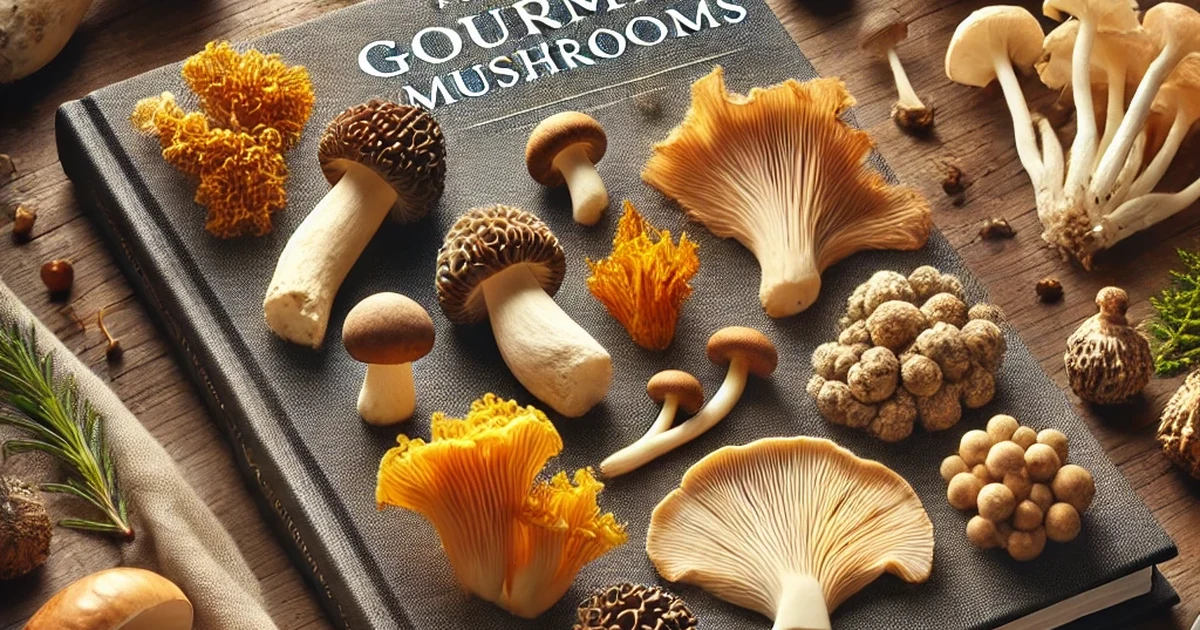
Mushrooms are one of those ingredients that go from bland to genuinely exciting depending on the variety and how they’re cooked. If you’ve only ever used the standard white button mushroom from the grocery store, fresh gourmet mushrooms are worth exploring — the flavor range is much bigger than most people realize.
Common Gourmet Mushroom Varieties
Cremini. A slightly more mature button mushroom with a deeper, earthier flavor. A safe first step up from the standard variety.
Portobello. Fully mature cremini mushrooms, large enough to grill or stuff whole. Their meaty texture makes them a popular vegetarian substitute for burger patties.
Shiitake. Rich, slightly smoky, and commonly used in Asian cooking. The stems are tougher and often removed, but the caps are excellent sautéed or added to soups.
Oyster mushrooms. Delicate, slightly sweet, and quick-cooking. They hold up well in stir-fries and pasta dishes.
Chanterelle. A more seasonal, higher-end variety with a fruity, peppery flavor. Best in simple preparations — butter, garlic, and a touch of salt — that let the flavor stand on its own.
Maitake (hen of the woods). Layered, feathery clusters with an earthy flavor. Roasts particularly well, developing crispy edges.
How to Choose Fresh Mushrooms
Look for mushrooms that feel firm and dry to the touch, without visible sliminess or dark spots. Caps should be closed or only slightly open, depending on the variety — a fully opened cap with visible gills usually indicates the mushroom is past its peak freshness.
Cleaning Mushrooms the Right Way
The old rule about never washing mushrooms with water is mostly outdated — a quick rinse under cold water is fine as long as you dry them immediately with a towel. What actually matters is not letting them sit in water, since mushrooms are porous and will absorb excess moisture, which affects how well they brown when cooked.
Cooking Tips for Better Flavor
Don’t overcrowd the pan. Mushrooms release a lot of water as they cook. Too many in a crowded pan means they steam instead of browning, resulting in a soggier texture and less developed flavor.
Let them sit before stirring. Resist the urge to move mushrooms around constantly. Letting them sit undisturbed for a minute or two at a time helps them develop a proper sear.
Season at the right time. Adding salt too early draws out moisture before the mushrooms have a chance to brown. Season partway through cooking instead.
Simple Recipes to Start With
Garlic butter sautéed mushrooms. Butter, minced garlic, a splash of white wine or broth, and fresh thyme. Works as a side dish or a topping for steak, chicken, or toast.
Creamy mushroom pasta. Sautéed mushrooms with garlic, cream, parmesan, and a splash of pasta water tossed with your noodle of choice. For more pasta-focused ideas, see our full gourmet pasta recipes guide.
Stuffed portobello caps. Remove the stems, fill with breadcrumbs, cheese, and herbs, then bake until golden. A reliable vegetarian main course.
Mushroom and herb pizza topping. Sautéed mushrooms paired with fresh herbs make an excellent pizza topping — we cover more topping combinations in our gourmet pizza guide.
Pairing Mushrooms With Fresh Herbs
Mushrooms take especially well to fresh herbs like thyme, parsley, and rosemary. A handful of chopped fresh parsley added at the end of cooking brightens up an otherwise rich, earthy dish — a simple trick that makes a noticeable difference.
Storing Mushrooms
Mushrooms are best stored in a paper bag in the refrigerator rather than a sealed plastic bag or container. Paper allows moisture to escape, which keeps them from becoming slimy. Most varieties last about a week when stored this way, though more delicate types like oyster mushrooms are best used within a few days.
Why “Gourmet” Applies Here
The gourmet label on mushrooms usually points to variety and sourcing rather than processing — wild-foraged or specialty-grown mushrooms like chanterelles and maitake versus mass-produced button mushrooms. If you want the fuller explanation of what separates gourmet ingredients generally, see what makes food “gourmet”?
Final Thoughts
Mushrooms are one of the easiest ingredients to upgrade without much extra effort — swapping a standard button mushroom for cremini or shiitake changes a dish more than most people expect. Start with a familiar recipe, swap in a gourmet variety, and the difference in flavor will speak for itself.
Looking for more recipe inspiration? Visit our fresh gourmet recipes hub or browse our menu for fresh, made-to-order dishes.