Fresh Gourmet Hatch Chiles: What They Are & How to Use Them
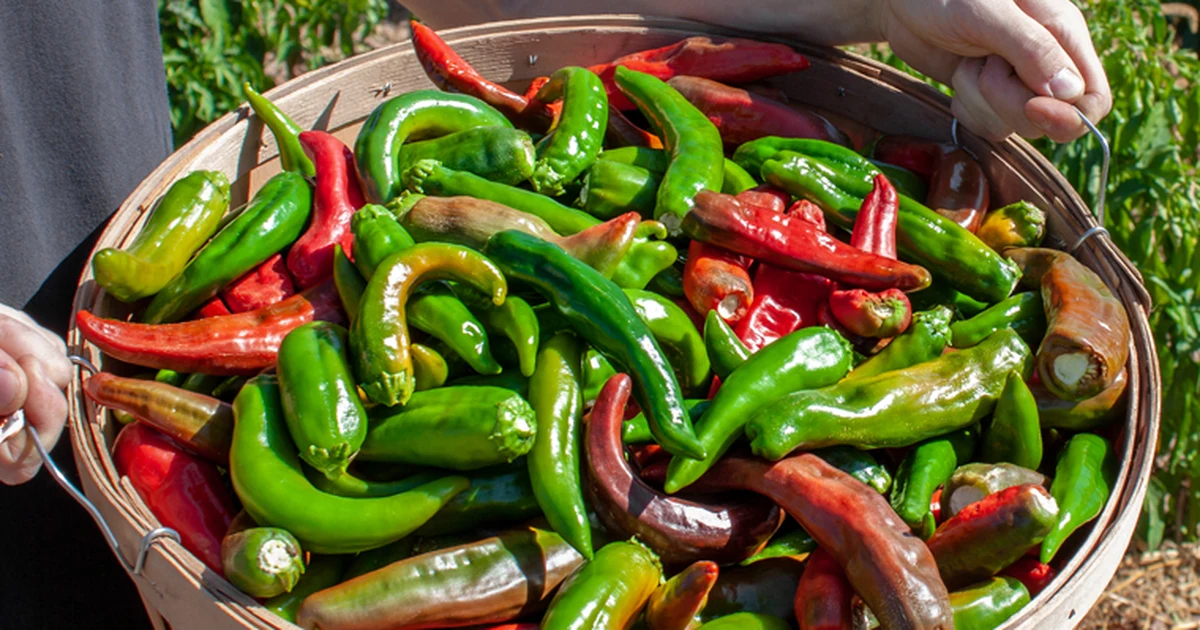
If you’ve never cooked with hatch chiles, you’re missing one of the more seasonal, distinctive ingredients in Southwestern cooking. Fresh gourmet hatch chiles have a devoted following for good reason — a flavor and heat level that’s genuinely different from more common chile varieties, and a short growing season that makes them feel like an event rather than a year-round pantry staple.
What Makes Hatch Chiles Different
Hatch chiles are grown specifically in the Hatch Valley of New Mexico, where the region’s unique soil and climate conditions produce a chile with a distinctive smoky, earthy flavor. Technically, “hatch chile” refers to several pepper varieties grown in that specific region rather than a single pepper type — which is part of why heat levels can vary noticeably from mild to quite hot, even within the same batch.
When Are They Available?
Hatch chiles have a short harvest season, typically late summer into early fall. This is part of their appeal — many home cooks and restaurants treat “hatch chile season” as a small annual event, roasting large batches to freeze and use throughout the year.
How to Roast Hatch Chiles
Roasting is the traditional preparation method, and it makes a significant difference in flavor:
- Place whole chiles under a broiler or over an open flame
- Turn frequently until the skin is blistered and blackened on all sides
- Transfer to a bowl and cover with plastic wrap or a lid to steam for about 10 minutes
- Once cooled, the blackened skin should peel off easily
- Remove the stem and seeds before using
Roasted hatch chiles can be frozen (with or without the skin removed) for several months, making it easy to enjoy them well past the short growing season.
Best Culinary Uses
Salsas. Roasted hatch chiles blended with tomatoes, onion, and lime make a smokier, more complex salsa than most standard varieties.
Green chile stew. A New Mexican staple — pork or chicken simmered with roasted hatch chiles, potatoes, and onions.
Cheeseburgers and sandwiches. Chopped roasted hatch chiles add smoky heat that pairs particularly well with melted cheese.
Cornbread. Folded into cornbread batter for a subtle heat that complements the sweetness of the corn.
Pizza topping. Paired with roasted corn and pepper jack cheese for a southwestern-style pizza — see our gourmet pizza guide for more topping ideas.
Mac and cheese. Stirred into a cheese sauce for a version with genuine depth and heat, rather than relying on hot sauce alone.
Pairing Hatch Chiles With Other Fresh Ingredients
Hatch chiles pair especially well with fresh coriander and lime in salsas and taco-style dishes — our fresh coriander guide covers more on using that herb well. They also work nicely with roasted potatoes; see our gourmet potatoes guide for a base recipe that pairs well with chopped roasted hatch chiles mixed in.
A Note on Heat Level
Because hatch chiles cover a range of pepper varieties, heat can vary significantly — some batches are quite mild, while others carry real heat. If you’re cooking for a group with mixed spice tolerance, it’s worth tasting a small piece before committing an entire batch to a dish, since there’s no reliable way to guess heat level just by looking at the pepper.
Substituting When Hatch Chiles Aren’t Available
Outside of the short hatch chile season, Anaheim or poblano peppers make a reasonable substitute in most recipes, though the flavor will be milder and less smoky. Frozen roasted hatch chiles from a previous season are still preferable to a fresh substitute if you have any stored away.
Why They’re Considered “Gourmet”
The gourmet distinction here is largely about regionality and seasonality — a chile variety tied to a specific growing region and a limited window of availability, rather than a mass-produced pepper available year-round. That scarcity and specificity is a big part of what makes hatch chile season feel special to people who cook with them regularly.
Final Thoughts
Hatch chiles are worth seeking out during their short season, whether that means roasting a large batch to freeze or simply picking some up fresh for a single dish. The smoky, earthy flavor is distinct enough that it’s genuinely hard to replicate with a substitute — one more reason cooks look forward to hatch chile season every year.
Looking for more recipe ideas? Visit our fresh gourmet recipes hub or browse our menu for fresh, made-to-order dishes.