Gourmet Potatoes: Varieties, Uses & Cooking Tips
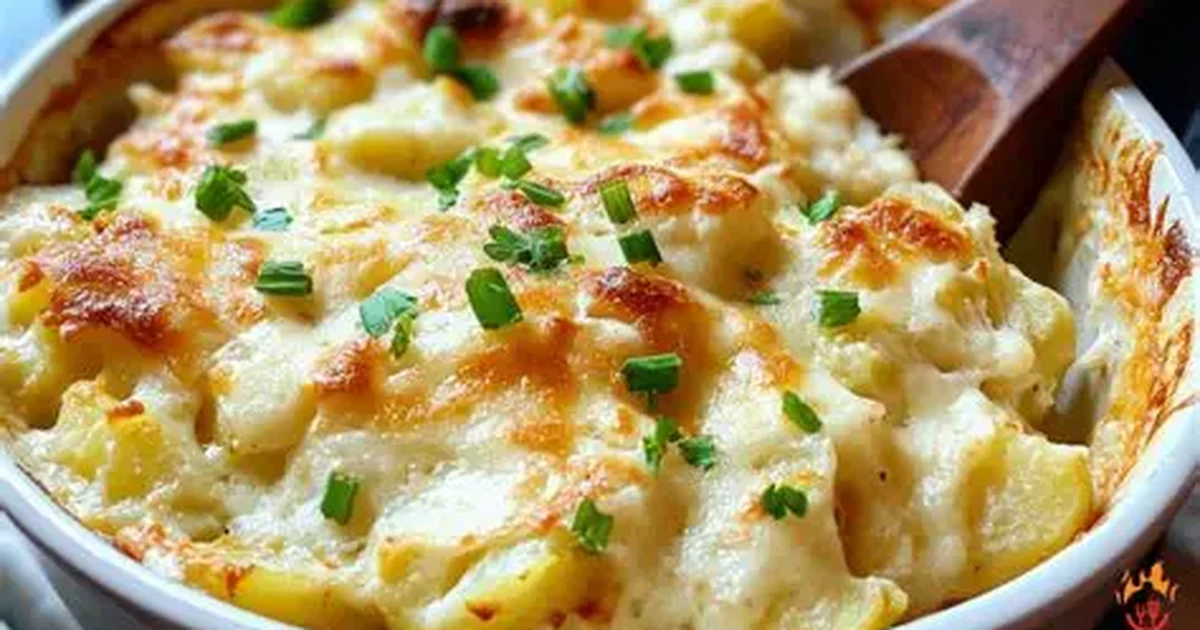
Potatoes rarely get the same attention as other gourmet ingredients, but the variety you choose has a bigger impact on the final dish than most people assume. A waxy potato and a starchy one behave completely differently in the same recipe. Here’s how to tell them apart and get better results.
The Two Main Categories
Starchy potatoes (like russets) have a high starch, low moisture content. They turn fluffy when cooked and break down easily, which makes them ideal for baking, mashing, and frying.
Waxy potatoes (like red potatoes and fingerlings) have lower starch and higher moisture, so they hold their shape well when cooked. They’re the better choice for roasting, boiling, and potato salads where you don’t want the potato falling apart.
All-purpose potatoes (like Yukon Gold) sit in between — starchy enough to mash well, waxy enough to hold shape when roasted. A genuinely versatile choice if you only want to keep one variety on hand.
Gourmet Varieties Worth Trying
Yukon Gold. Buttery flavor and a naturally creamy texture, even before adding actual butter. Excellent for mashing or roasting.
Fingerling potatoes. Small, waxy, and often available in colorful varieties. Their shape makes them ideal for roasting whole, and their skin is thin enough that peeling usually isn’t necessary.
Purple potatoes. Similar texture to a standard waxy potato, but with a striking color that holds up reasonably well through cooking, especially roasting or steaming.
Fingerling and heirloom mixes. Often sold together, these bring visual variety and slightly different flavor notes to a simple roasted potato dish.
Cooking Tips by Method
Mashing. Use starchy potatoes like russets or all-purpose Yukon Golds. Waxy potatoes tend to turn gluey when mashed due to their lower starch content.
Roasting. Waxy or all-purpose varieties hold their shape best. Cut into even pieces, toss with oil, and don’t overcrowd the pan — similar to the mushroom cooking tip of giving ingredients enough space to brown rather than steam.
Boiling for salads. Waxy potatoes are essential here. Starchy potatoes will start to fall apart before they’re fully tender, leaving you with a mushy salad instead of distinct, tender pieces.
Frying. Starchy potatoes like russets produce the crispiest exterior and fluffiest interior — the standard choice for French fries and hash browns.
A Simple Roasted Potato Recipe
- Cut potatoes into even, bite-sized pieces (leave the skin on for texture and nutrients)
- Toss with olive oil, salt, and pepper
- Spread in a single layer on a baking sheet — don’t overcrowd
- Roast at 425°F for 25–30 minutes, flipping halfway through
- Finish with fresh herbs like fresh parsley or rosemary right before serving
Pairing Potatoes With Fresh Herbs
Potatoes are a natural pairing for fresh herbs — rosemary and thyme for roasted preparations, or a finishing handful of chopped parsley or chives for something brighter. Adding herbs after cooking, rather than during, generally preserves more of their flavor and aroma.
A Note on Skin-On vs. Peeled
Leaving the skin on isn’t just a shortcut — it adds texture, holds the potato together better during roasting, and retains more of the nutrients that are concentrated just beneath the skin. Unless a recipe specifically calls for a smooth, peeled result (like a classic mash), leaving the skin on is usually the better default, especially for waxy and all-purpose varieties with thinner skins.
Storing Potatoes Properly
Store potatoes in a cool, dark, well-ventilated place — not the refrigerator, which converts some of their starch to sugar and can affect both flavor and how they brown when cooked. A pantry or cellar-like environment, away from onions (which release gases that speed up spoilage when stored together), will keep potatoes usable for several weeks.
Why “Gourmet” Applies to Potatoes
The gourmet distinction here usually comes down to variety and freshness rather than processing — heirloom or specialty varieties grown for flavor and texture, rather than mass-market potatoes bred primarily for shelf stability and uniform size. If you want a fuller explanation of what “gourmet” generally means across ingredients, see what makes food “gourmet”?
Final Thoughts
Choosing the right potato variety for the right cooking method makes a bigger difference than most people expect — the same recipe can turn out completely differently depending on whether you reach for a starchy russet or a waxy fingerling. Once you know which is which, potatoes become a lot more predictable, and noticeably better.
Looking for more recipe ideas? Visit our fresh gourmet recipes hub or browse our menu for fresh, made-to-order dishes.