Fresh Basil: How to Use, Store, and Cook With It
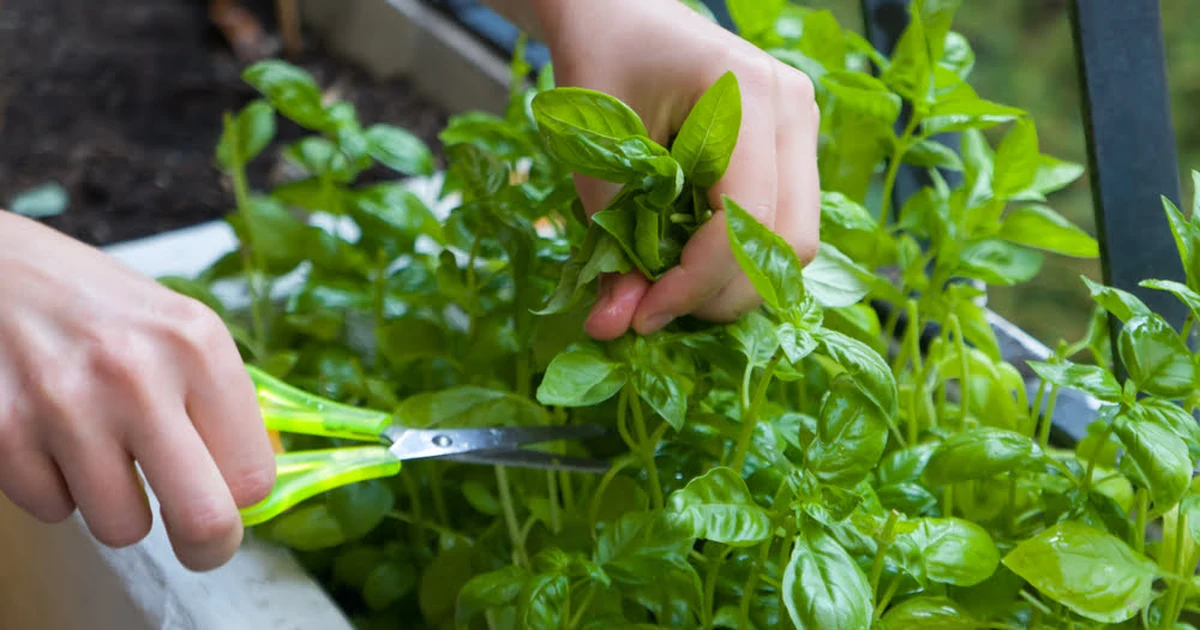
Fresh basil is one of the most rewarding herbs to cook with — and one of the most frustrating to keep alive in the fridge. If you’ve bought a bunch only to find it black and wilted two days later, the problem is almost always storage, not the basil itself. Here’s how to get more out of every bunch, plus the best ways to actually use it.
Why Basil Wilts So Fast
Basil is more sensitive to cold than most herbs. Refrigeration, which works well for parsley or cilantro, actually speeds up basil’s decline — cold temperatures cause the leaves to blacken and turn slimy faster than if they were left at room temperature.
The Right Way to Store Fresh Basil
- Trim the stems, just like you would with cut flowers
- Place the stems in a glass or jar with an inch or two of water
- Leave it on the counter, out of direct sunlight — not in the refrigerator
- Change the water every couple of days
Stored this way, basil can stay fresh for a week or more, versus just a day or two in a plastic bag in the crisper drawer.
If You Need to Refrigerate It
Sometimes counter space isn’t an option. If you must refrigerate basil, wrap it loosely in a slightly damp paper towel and place it in a partially sealed bag — never a fully airtight one, which traps moisture and speeds up decay. Even then, expect a shorter shelf life than the water-glass method.
Freezing Basil for Longer Storage
If you have more basil than you can use in a week, freezing is a reliable option:
- Basil oil cubes: blend basil with olive oil and freeze in an ice cube tray — great for dropping straight into a pan
- Basil paste: blend with a small amount of oil and freeze flat in a bag, then break off pieces as needed
- Whole frozen leaves lose their texture and aren’t great for garnish, but work fine in cooked dishes
Best Culinary Uses for Fresh Basil
Pasta. Torn basil added at the end of cooking — not simmered for a long time — keeps the brightest flavor. See our gourmet pasta recipes guide for basil-forward pasta ideas.
Pizza. Always add fresh basil after baking, not before. The oven’s heat wilts and can scorch the leaves, dulling both color and flavor — a detail we cover in our gourmet pizza guide.
Caprese salad. Fresh mozzarella, tomato, and basil with olive oil and balsamic — one of the simplest ways to let basil be the star rather than a background note.
Pesto. Blended with pine nuts, parmesan, garlic, and olive oil. A good way to use a large bunch before it turns, and it freezes well.
Infused oils and vinaigrettes. Basil steeped in warm (not boiling) olive oil adds a subtle flavor useful for finishing dishes or dressing salads.
Basil Varieties Worth Knowing
Sweet basil is the standard grocery-store variety — mild, slightly peppery, and the most versatile.
Thai basil has a more anise-like flavor and holds up better to heat, making it a better fit for stir-fries and simmered dishes than sweet basil.
Purple basil has a similar flavor to sweet basil but a milder, slightly sweeter edge — often used more for visual contrast than a dramatically different taste.
Pairing Basil With Other Fresh Herbs
Basil pairs particularly well with parsley for a fuller, greener flavor in sauces and dressings. If you’re building out a fresh herb rotation, our guides on fresh parsley and fresh mint cover storage and uses for two other herbs worth keeping stocked.
A Quick Note on “Gourmet” Basil
Gourmet or premium basil typically refers to freshness and growing conditions — locally grown, harvested closer to purchase, and handled with more care than mass-distributed bunches that travel long distances before reaching a store shelf. Fresher basil holds its aroma and flavor noticeably better, which is often the entire difference buyers are paying for.
Final Thoughts
Fresh basil rewards a little extra care — store it like flowers, not like lettuce, and add it at the end of cooking rather than the beginning. Get those two things right, and a single bunch will last longer and taste noticeably better in everything from a simple Caprese salad to a full batch of homemade pesto.
For more recipe ideas using fresh herbs, visit our fresh gourmet recipes hub or browse our menu.