Fresh Parsley: The Everyday Herb That Deserves More Credit
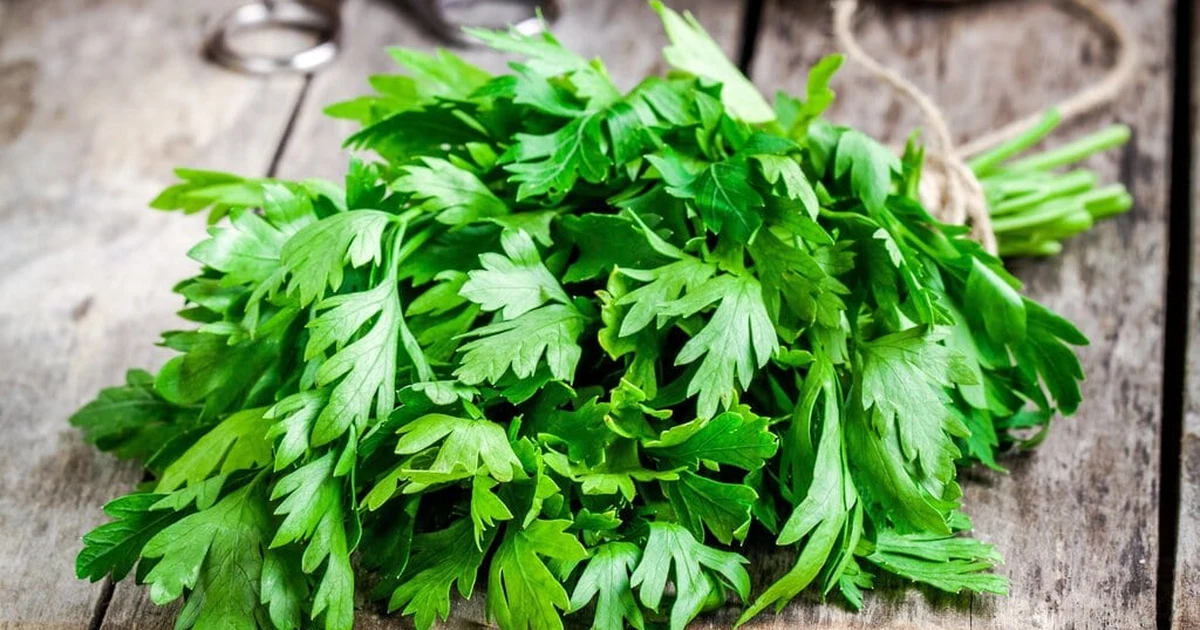
Parsley might be the most underrated herb in the average kitchen. It’s cheap, widely available, and most people still treat it as a plate decoration rather than an actual ingredient. Fresh parsley deserves a bigger role than that — it’s genuinely useful in ways that go well beyond garnish.
Curly vs. Flat-Leaf Parsley
Curly parsley has a milder flavor and a firmer texture, which makes it hold up slightly better as a visual garnish.
Flat-leaf (Italian) parsley has a stronger, slightly peppery flavor and is generally preferred for actual cooking, since it holds up better in sauces and dressings without turning bitter.
If a recipe just says “parsley” without specifying, flat-leaf is usually the better default for flavor-forward dishes.
How to Store Fresh Parsley
Parsley stores well using the same water-glass method as basil and mint: trim the stems, place in a glass with a couple inches of water, and loosely cover with a plastic bag before refrigerating. Unlike basil, parsley tolerates the refrigerator well, so this method works better here than leaving it on the counter. Stored this way, it can last two weeks or longer — significantly longer than a bag left untouched in the crisper drawer.
Why Parsley Deserves More Use
It balances rich dishes. A handful of chopped parsley stirred into a creamy sauce, a buttery pasta, or a rich stew cuts through the heaviness and adds a fresh, slightly bitter contrast.
It’s a flavor carrier, not just a garnish. Parsley doesn’t have an overpowering flavor of its own, which makes it easy to add to almost anything without clashing — unlike stronger herbs like rosemary or sage.
It’s inexpensive and always available. Unlike more seasonal or specialty herbs, parsley is consistently available and cheap, making it an easy habit to build into everyday cooking.
Practical Uses for Fresh Parsley
Gremolata. A simple mix of chopped parsley, lemon zest, and garlic, traditionally served over braised meats like osso buco. Takes minutes to make and adds significant brightness to rich dishes.
Chimichurri. Parsley, garlic, vinegar, and olive oil blended into a sauce for grilled meats. A good way to use a large bunch at once.
Tabbouleh. A parsley-forward salad with bulgur, tomato, mint, and lemon. Unlike most salads where herbs are a garnish, parsley is the main ingredient here.
Finishing pasta and risotto. A handful of chopped parsley stirred in right before serving adds color and a fresh contrast to otherwise rich dishes. See our gourmet pasta recipes guide for more ideas.
Mushroom dishes. Parsley pairs particularly well with sautéed mushrooms — see our gourmet mushrooms guide for cooking techniques that pair well with a parsley finish.
Parsley also freezes reasonably well on its own, unlike more delicate herbs — chopped and frozen in a small container, it holds enough flavor to use in cooked dishes even months later, even if it’s not suitable for garnish once thawed.
A Simple Way to Use Up a Whole Bunch
If parsley is about to turn before you can use it all, blend it into a quick herb paste with olive oil and a pinch of salt, then freeze it in an ice cube tray. Frozen this way, it’s ready to drop directly into soups, sauces, or pan drippings without any prep.
Pairing Parsley With Other Fresh Herbs
Parsley pairs especially well with mint in Middle Eastern dishes like tabbouleh, and with basil in Mediterranean-style sauces. If you’re building a fresh herb collection, our guides on fresh mint and fresh basil cover two herbs that work particularly well alongside parsley.
Parsley and Nutrition
Beyond flavor, parsley is worth noting for what it brings nutritionally — it’s a good source of vitamin K and vitamin C relative to how little of it you typically eat in a serving. This isn’t the main reason to cook with it, but it’s a reasonable bonus for an ingredient that’s already earning its place for flavor alone.
Final Thoughts
Fresh parsley is one of the easiest ingredients to use more of without any real learning curve — it’s mild, inexpensive, and works in almost anything. Once you start treating it as an actual ingredient instead of a garnish, it’s hard to go back to leaving it untouched on the side of the plate.
Looking for more ways to use fresh herbs in your cooking? Visit our fresh gourmet recipes hub or browse our menu for fresh, made-to-order dishes.