Fresh Mint: Culinary Uses, Storage Tips & Recipe Ideas
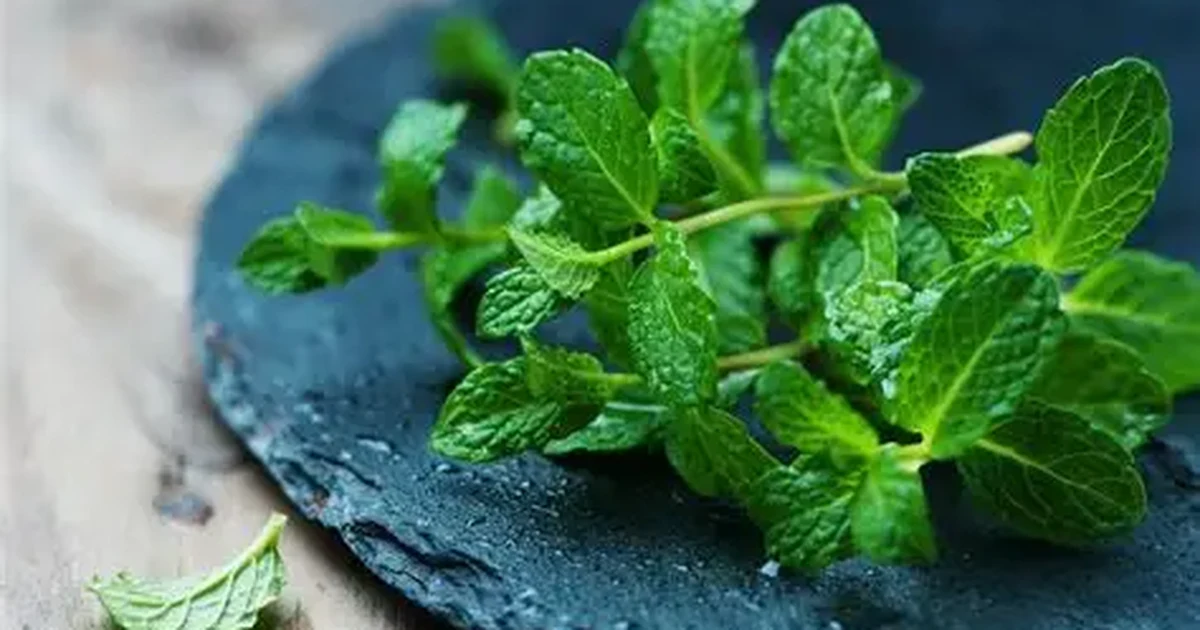
Mint tends to get pigeonholed as a garnish — a sprig on top of a dessert, a leaf floating in a drink. That’s a small fraction of what fresh mint can actually do. Used well, it adds brightness to savory dishes, drinks, and desserts alike. Here’s how to keep it fresh and get more use out of it.
How to Store Fresh Mint
Mint stores best using the same method as basil: trim the stems and place them in a glass of water on the counter, loosely covered with a plastic bag to maintain humidity around the leaves. Change the water every few days, and it can last a week or longer.
If refrigerating, wrap loosely in a damp paper towel inside a partially open bag. Fully sealed containers trap moisture and speed up wilting and mold growth.
Savory Uses for Fresh Mint
Middle Eastern and Mediterranean dishes. Mint is a staple in tabbouleh, alongside fresh parsley — see our fresh parsley guide for more on that pairing. It also shows up in yogurt-based sauces like tzatziki.
Lamb dishes. The classic pairing. Fresh mint cuts through the richness of lamb in a way dried mint simply can’t replicate.
Salads. A handful of torn mint adds brightness to fruit salads, cucumber salads, or even a simple green salad with feta and olives.
Southeast Asian dishes. Fresh mint is common in Vietnamese and Thai cooking, often served alongside herbs like cilantro and Thai basil as a fresh garnish for noodle dishes and spring rolls.
Sweet and Drink Uses
Mojitos and other cocktails. Muddled mint is essential here — the aromatic oils released by muddling make a noticeable difference compared to just dropping in whole leaves.
Infused water. A simple way to make plain water more interesting — mint alone, or paired with cucumber or citrus.
Desserts. Chocolate and mint is a classic pairing for a reason, but fresh mint also works well with fruit-based desserts like a berry salad or a simple sorbet.
Herbal tea. Steeped fresh (rather than dried) mint makes a noticeably more aromatic tea, especially when combined with a bit of honey.
A Few Prep Tips
Chiffonade for a clean cut. Stack leaves, roll them tightly, and slice into thin ribbons. This prevents the bruising and blackening that comes from chopping mint with a dull knife or too much force.
Add at the end when possible. Like basil, mint loses aroma and flavor quickly with prolonged heat. For dishes where a fresh mint flavor matters, add it as close to serving as you can.
Don’t confuse varieties. Spearmint (the most common culinary variety) has a sweeter, milder flavor than peppermint, which is stronger and more often used in desserts or drinks specifically for that sharper mint flavor.
Mint in Gourmet Cooking
The “gourmet” distinction with fresh mint usually comes down to freshness and how it’s sourced — locally grown mint harvested closer to purchase holds its essential oils (where the aroma and flavor come from) far better than mint that’s traveled a long distance and sat on a shelf for days. If you’re curious about how this idea applies across ingredients more broadly, see what makes food “gourmet”?
Pairing Mint With Other Fresh Herbs
Mint pairs particularly well with basil in fruit-forward dishes, and with parsley and cilantro in Middle Eastern and Southeast Asian cooking respectively. If you’re building a fresh herb rotation for your kitchen, our guides on fresh basil and fresh coriander cover two more herbs worth keeping stocked alongside mint.
Growing Your Own Mint
If you find yourself buying mint often, it’s worth knowing that mint is one of the easiest herbs to grow at home, even for people without much of a green thumb. It spreads aggressively, which is actually a downside outdoors — many gardeners keep it contained in a pot rather than planting it directly in the ground, where it can quickly take over a garden bed. A single potted mint plant on a windowsill can supply far more than most households use in a week.
Final Thoughts
Fresh mint deserves a bigger role in the kitchen than a garnish on a dessert plate. Whether it’s brightening up a lamb dish, adding depth to a cocktail, or finishing a fruit salad, a little goes a long way — and proper storage means you’ll actually get to use the whole bunch before it wilts.
Looking for more ideas using fresh herbs? Visit our fresh gourmet recipes hub or browse our menu for fresh, made-to-order dishes.