Fresh Gourmet Pasta Recipes You'll Actually Make Again
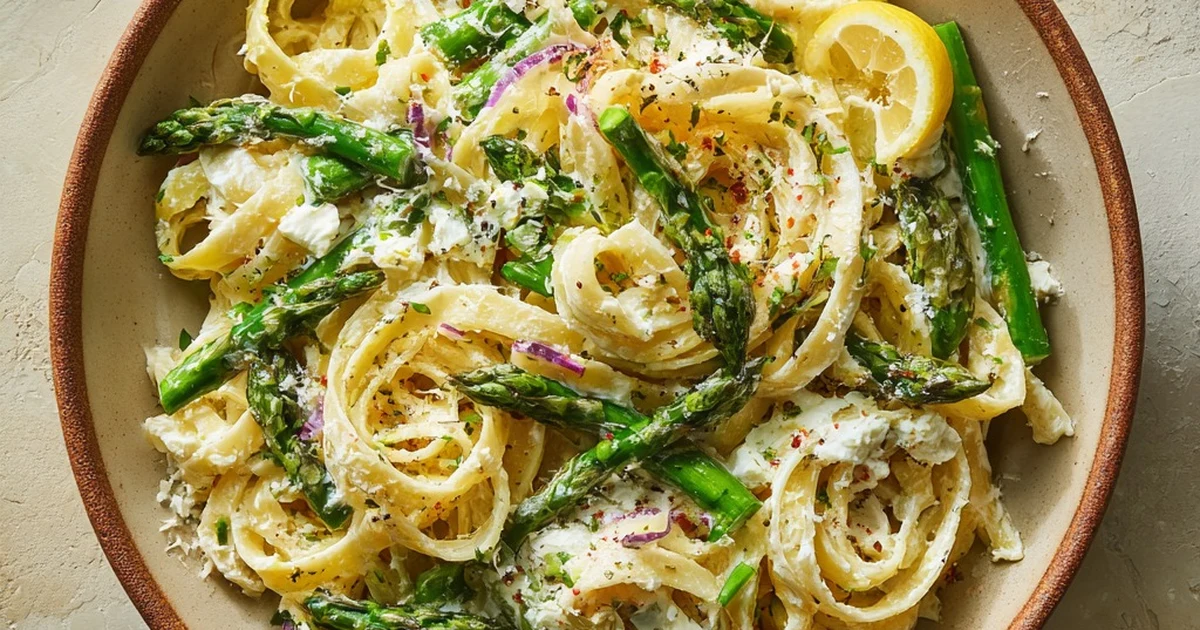
Pasta has a reputation as a beginner-friendly dinner, and it is — but there’s a wide gap between “pasta with jarred sauce” and a genuinely good fresh gourmet pasta dish. The difference usually comes down to a few small choices: the pasta itself, how the sauce is built, and a handful of fresh ingredients added at the right time. Here’s how to close that gap, plus a few recipes worth keeping in rotation.
Fresh vs. Dried Pasta
Fresh pasta cooks faster and has a softer, more delicate texture, making it a better match for lighter cream or butter sauces. Dried pasta holds up better to heartier tomato-based or baked dishes, since it maintains more structure. Neither is objectively better — it depends on what you’re making.
The Sauce-Pairing Basics
Long, thin noodles (spaghetti, linguine) pair well with lighter, oil-based sauces that coat each strand without weighing it down.
Short, tubular pasta (penne, rigatoni) works best with chunkier sauces — the shape traps sauce and any solid ingredients inside.
Wide, flat noodles (pappardelle, fettuccine) suit rich, heavier sauces like a slow-cooked ragu or a thick cream sauce.
Recipe 1: Creamy Mushroom Pasta
Sauté sliced mushrooms in butter until browned, add minced garlic, then deglaze with a splash of white wine or broth. Stir in cream and parmesan, and toss with your pasta of choice along with a bit of reserved pasta water to loosen the sauce. For more mushroom-specific tips, see our gourmet mushrooms guide.
Recipe 2: Fresh Herb and Garlic Pasta
A simple, fast option — olive oil, minced garlic, red pepper flakes, and a generous handful of chopped fresh herbs (parsley, basil, or both) tossed with pasta and a squeeze of lemon. This is a good base recipe to build on with whatever vegetables or protein you have on hand. Our guides on fresh basil and fresh parsley go deeper into storage and prep if you want the herbs to actually last.
Recipe 3: Roasted Vegetable Pasta
Roast chopped vegetables — zucchini, bell peppers, cherry tomatoes — with olive oil and salt until caramelized, then toss with pasta, a splash of the roasting oil, and grated parmesan. A reliable way to use up produce that’s starting to look a little tired.
Recipe 4: Simple Tomato and Basil Pasta
Canned San Marzano tomatoes, garlic, olive oil, and fresh basil torn in at the end. Simmer the tomatoes down to a thick sauce, season well, and don’t skip the fresh basil — it makes a bigger difference here than in almost any other recipe on this list.
A Note on Cheese
Freshly grated parmesan or pecorino melts more smoothly into a sauce than pre-shredded cheese, which often contains anti-caking agents that prevent it from fully incorporating. If a pasta sauce ever looks slightly grainy or separated, this is usually why.
Common Pasta Mistakes Worth Fixing
Not salting the pasta water enough. The water should taste noticeably salty — this is often the only seasoning the pasta itself gets.
Rinsing pasta after draining. This washes away the starch that helps sauce cling to the noodles. Skip it unless you’re making a cold pasta salad.
Adding sauce on top instead of tossing. Tossing pasta directly in the sauce (in the pan, off the heat) coats it far more evenly than ladling sauce over a plated portion.
Throwing out pasta water. Reserve a cup before draining — the starchy water helps loosen and bind sauces that seem too thick.
Pairing Pasta With Other Gourmet Ingredients
Pasta is a natural landing spot for a lot of gourmet pantry ingredients — fresh herbs, gourmet mushrooms, quality olive oil, or even a handful of gourmet salad toppers like toasted pine nuts or crispy onions for texture on top.
Make-Ahead Tips
If you’re cooking pasta for a meal you want to prep in advance, slightly undercook the noodles (about a minute short of al dente), toss with a small amount of oil to prevent sticking, and refrigerate separately from the sauce. Reheat gently with a splash of water or broth to loosen everything back up, and finish with fresh herbs only after reheating so they don’t lose their brightness sitting in the fridge overnight.
Final Thoughts
Good pasta doesn’t require complicated technique — it requires a few deliberate choices: the right pasta for the sauce, properly salted water, fresh ingredients added at the right moment, and cheese that actually melts well. Once those basics are in place, pasta becomes one of the most reliable weeknight dinners you can make.
Looking for more ideas? Check out our fresh gourmet recipes hub or browse our menu for fresh, made-to-order dishes.