Fresh Coriander (Cilantro): Uses, Storage & Recipe Ideas
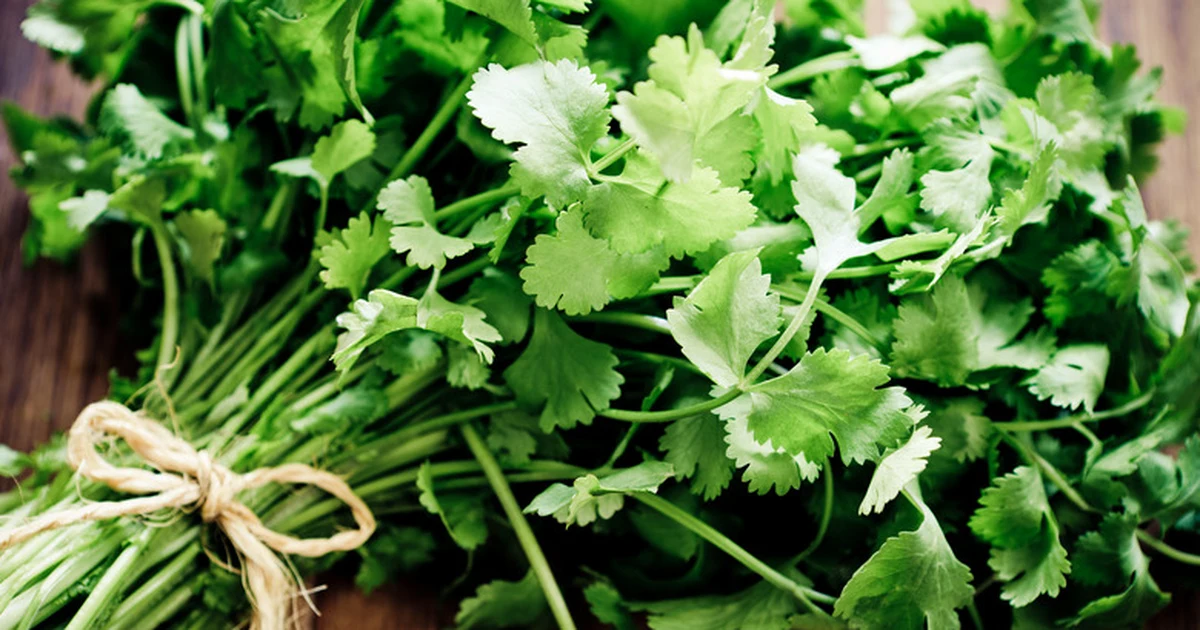
Few herbs are as divisive as fresh coriander — known as cilantro in North America. Some people find it bright and citrusy; a smaller group, due to a genetic sensitivity, taste something closer to soap. If you’re in the camp that enjoys it, coriander is one of the most versatile fresh herbs you can keep on hand. Here’s how to store it and where it earns its place.
Coriander vs. Cilantro: Same Plant, Different Names
In most of the world, the whole plant is called coriander. In the US and parts of North America, the leaves are called cilantro, while “coriander” typically refers to the dried seeds used as a spice. For the purposes of this guide, we’re talking about the fresh leaves — whichever name you use for them.
How to Store Fresh Coriander
Coriander wilts faster than heartier herbs like parsley, so storage matters. The most reliable method:
- Trim the stems
- Place in a glass with a few inches of water, like a small bouquet
- Loosely cover the leaves with a plastic bag
- Refrigerate, changing the water every couple of days
This method typically keeps coriander fresh for a week to ten days, compared to just a few days when left in its original packaging.
Best Culinary Uses
Salsas and pico de gallo. Coriander is essential here — its bright, citrusy flavor is a defining part of the dish, not just a garnish.
Curries. Common in Indian and Thai cooking, often added at the end of cooking to preserve its flavor, since prolonged heat dulls it quickly.
Guacamole. A classic pairing with avocado, lime, and onion.
Tacos and southwestern dishes. Chopped coriander is a standard taco topping, and pairs particularly well with fresh gourmet hatch chiles in southwestern-style dishes.
Asian noodle dishes. Fresh coriander, along with mint and Thai basil, is a common fresh garnish for Vietnamese pho and similar noodle soups.
Chutneys. Blended with lime, chili, and a bit of yogurt or coconut for a quick, bright condiment.
A Prep Tip Worth Knowing
Unlike many herbs, coriander’s stems are just as flavorful as the leaves and are often thrown away unnecessarily. Finely chopped stems can go into salsas, marinades, or curry pastes without any noticeable difference in texture — a simple way to reduce waste and get more use out of a bunch.
Why Fresh Matters More Here Than With Some Herbs
Dried coriander leaf loses most of its distinct flavor during the drying process, far more than an herb like oregano or thyme, which hold up reasonably well dried. If a recipe calls for coriander, fresh is almost always the better choice — dried coriander leaf is a poor substitute in most dishes.
Pairing Coriander With Other Fresh Ingredients
Coriander pairs naturally with lime, chili, and garlic — a common base for many Latin American and Southeast Asian dishes. It also works well alongside fresh mint in Southeast Asian noodle dishes, where the two herbs are often served together as a fresh topping.
The Genetic Taste Difference
For anyone who’s wondered why coriander tastes like soap to some people and citrusy to others — it comes down to genetics. A specific gene variant affects how certain aldehyde compounds in coriander are perceived, and roughly 4–14% of people (depending on the population studied) experience the soapy taste. It’s not a matter of preference in the usual sense; it’s a genuine difference in how the flavor compounds are processed.
Substituting Coriander in a Pinch
If you’re out of fresh coriander and a recipe truly depends on its flavor, there isn’t a great one-to-one substitute — dried coriander leaf lacks the brightness, and other herbs like parsley don’t replicate the citrusy quality. A small amount of lime zest combined with parsley can approximate part of the effect in a pinch, but it’s a compromise rather than a true substitute. This is one of the few herbs genuinely worth a special trip to the store if a recipe calls for it specifically.
Final Thoughts
If you’re someone who enjoys fresh coriander, it’s worth using more deliberately rather than as an afterthought garnish — its bright, citrusy flavor is central to entire categories of dishes, from salsa to curry to pho. Store it properly, use the stems along with the leaves, and add it fresh rather than relying on the dried version, which loses most of what makes coriander worth using in the first place.
Looking for more recipe ideas built around fresh herbs? Visit our fresh gourmet recipes hub or browse our menu for fresh, made-to-order dishes.