How to Store Gourmet Salad Toppers So They Stay Fresh Longer
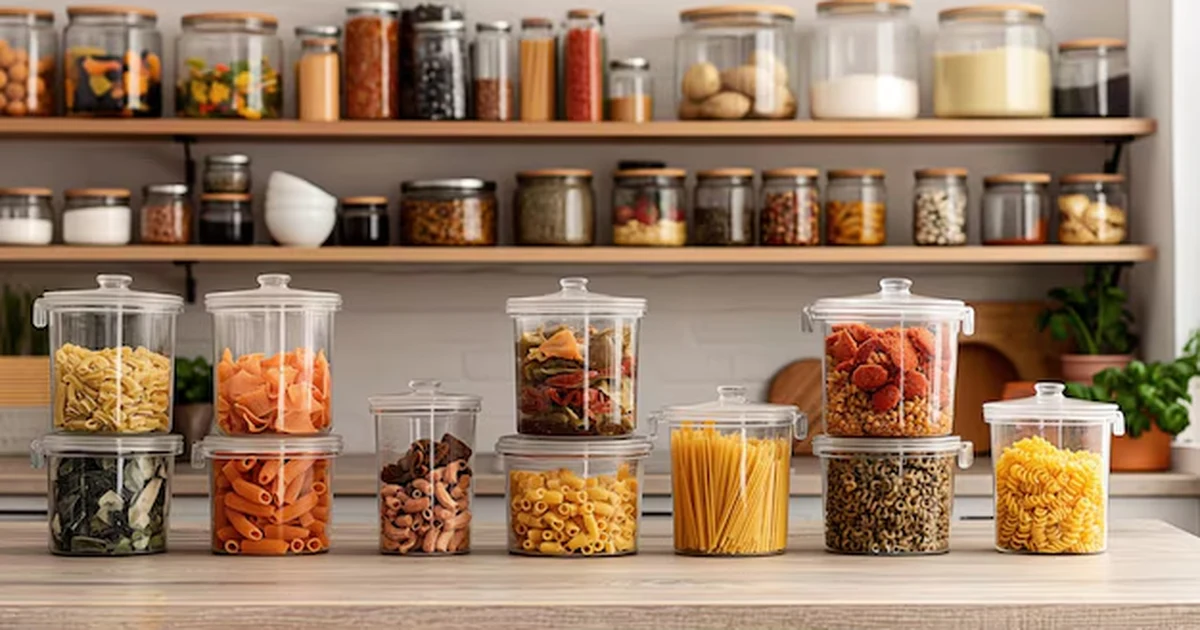
Few things are more disappointing than reaching for crispy onions or croutons only to find them soft, stale, or slightly off. The good news: most gourmet salad toppers last a long time if you store them correctly. The bad news: most people don’t, which is why toppers get tossed out sooner than they should. Here’s how to actually keep them fresh.
The Golden Rule: Keep Moisture Out
Nearly every storage mistake with crispy toppers comes down to one thing — moisture exposure. Crispy onions, tortilla strips, wonton strips, and croutons are all dehydrated or fried to be crunchy. The moment they’re exposed to humidity, that texture starts to break down.
That means:
- Always reseal the original bag tightly, or transfer to an airtight container
- Avoid storing near the stove, dishwasher, or any source of steam
- Never store crispy toppers in the refrigerator — cold air holds moisture that softens them faster, not slower
Storage Guide by Topper Type
Crispy Onions, Jalapeños, and Tortilla Strips
Store in an airtight container at room temperature, away from direct sunlight. Unopened, these typically last 6–12 months. Once opened, aim to use them within 4–6 weeks for the best crunch. For more ways to use up a bag before it goes stale, see our guide on fresh gourmet crispy onions.
Croutons
Same rule applies — airtight container, room temperature, away from humidity. Unopened croutons can last several months past the printed date if sealed well; opened bags are best used within a few weeks. Our full croutons guide covers flavor varieties and other uses if you’re trying to use up a bag before it loses its crunch.
Nuts (Honey Roasted Almonds, Candied Pecans, etc.)
Nuts contain natural oils that can go rancid over time, especially in warm environments. For short-term storage (under a month), a cool pantry works fine. For longer storage, keep them in the refrigerator or freezer in a sealed container — this can extend freshness to 6 months or more without affecting flavor.
Dried Fruit (Cranberries, Cherries, Apricots)
Dried fruit is fairly forgiving. Store in a sealed container in a cool, dry place, and it will typically last 6–12 months. If your kitchen runs warm or humid, refrigeration will extend shelf life further and help prevent the fruit from drying out and becoming overly chewy.
Fresh Herbs
Unlike the rest of this list, fresh herbs are perishable and should be treated differently — wrapped loosely and refrigerated, ideally used within 3–7 days for the best flavor and texture.
Signs a Topper Has Gone Bad
- Crispy toppers: noticeably soft, chewy, or stale-smelling instead of crunchy
- Nuts: a sharp, slightly bitter smell — a clear sign of rancidity
- Dried fruit: visible mold, or a fermented smell (rare, but possible in humid conditions)
- Fresh herbs: wilting, sliminess, or dark spotting
If any of these show up before the printed date, it usually points to a storage issue rather than a product defect — most often moisture exposure or an improperly sealed container.
A Simple System That Works
If you keep more than two or three toppers on hand, a basic system helps:
- Keep crispy, shelf-stable toppers (onions, croutons, tortilla strips) together in one pantry shelf, away from the stove
- Keep nuts and dried fruit in a separate airtight bin — ideally refrigerated if you don’t go through them quickly
- Label opened bags with the date you opened them, so you’re not guessing later
It sounds minor, but it’s the difference between a topper lasting weeks versus lasting months.
Why This Matters More Than People Think
A lot of the appeal of gourmet toppers comes down to texture — the crunch of an onion, the snap of a crouton. Improper storage undoes exactly the quality you paid for. If you’re building out a topper collection for salads, our full list of best gourmet salad toppers is worth pairing with this storage guide so you know what you’re working with from the start.
Final Thoughts
Storing gourmet salad toppers correctly isn’t complicated — it mostly comes down to keeping air and moisture out, choosing the right environment for each type, and not leaving bags open longer than necessary. A little attention here goes a long way toward not wasting food, and toward keeping every salad you make actually crunchy.
Want fresh, made-to-order options instead? Check out our menu, or visit our FAQ page for more answers on gourmet ingredients.